Why Rent a Car in Funchal, Madeira?
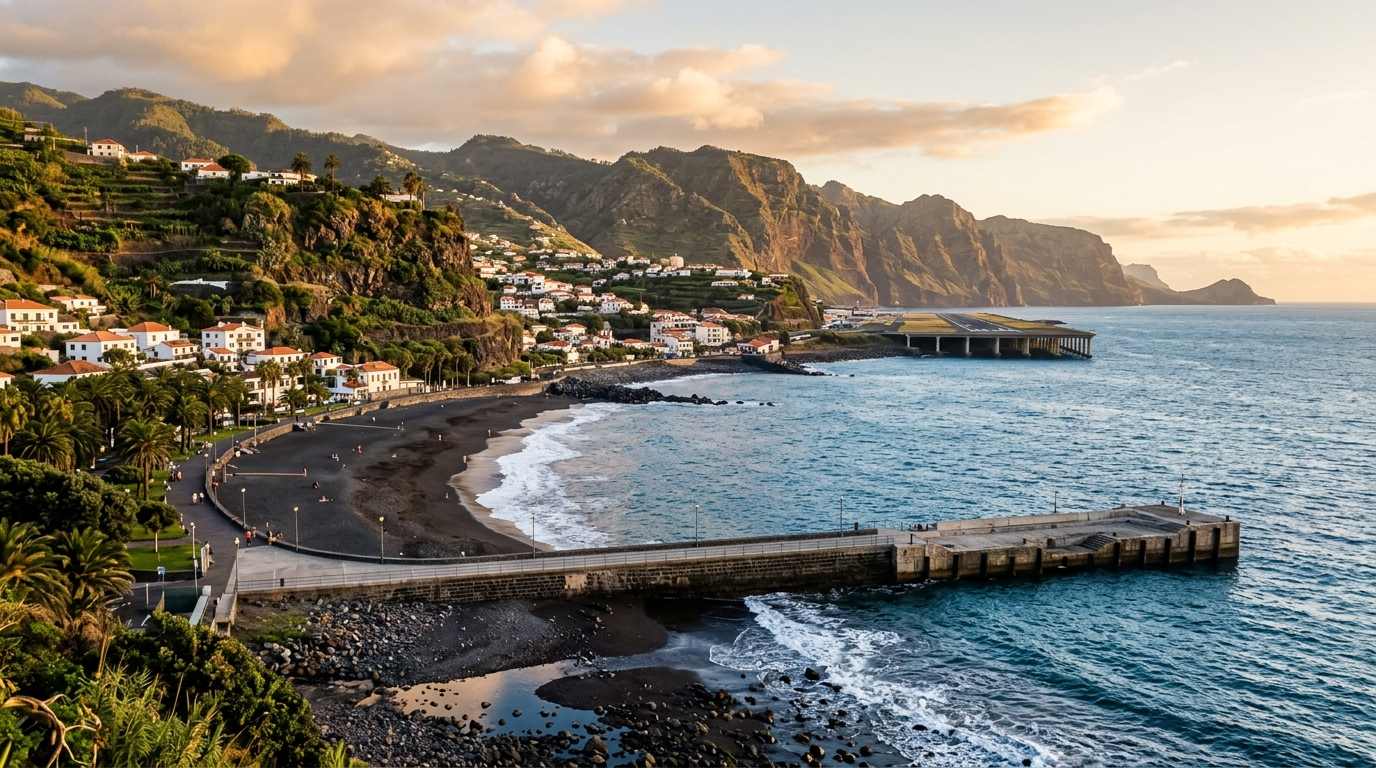
Funchal, the vibrant capital of Madeira, sits on the southern coast of this breathtaking Atlantic island. While the city itself offers charming streets, historic architecture, and the famous botanical gardens, the true magic of Madeira unfolds beyond Funchal's boundaries. Renting a car in Funchal gives you the freedom to explore dramatic coastal roads, terraced vineyards, mountain villages, and natural swimming pools scattered across the island.
Madeira's compact size—roughly 57 kilometers long and 22 kilometers wide—makes it perfect for road trips. With a car rental Funchal service, you can drive from the city center to the eastern tip at Ponta de São Lourenço in under an hour, or head north to the ancient laurel forests of Fanal in similar time. Public transport on Madeira is limited outside Funchal, and many of the island's most spectacular viewpoints, levada walking trails, and secluded beaches are accessible only by car.
Funchal Airport (Cristiano Ronaldo International Airport, FNC) is the main gateway to Madeira. Most travelers choose to rent a car Funchal airport upon arrival, allowing immediate access to the island's highlights without the hassle of coordinating taxis or buses. The airport is located in Santa Cruz, about 16 kilometers east of Funchal city center, and the drive along the coastal highway takes approximately 20 minutes.
Where to Pick Up Your Car Hire Funchal
When arranging car hire Funchal, you have two primary pickup options: Funchal Airport or downtown Funchal. Each location has distinct advantages depending on your travel plans.
Funchal Airport (FNC) hosts numerous international and local car rental agencies. The rental desks are located in the arrivals hall, making the pickup process smooth and efficient. After completing paperwork, you'll be directed to the nearby parking area where your vehicle awaits. Funchal airport car hire is ideal if you plan to explore the island immediately after landing, or if you're staying outside the city center. The airport's location also makes it convenient for those wanting to head directly to Porto Santo via ferry or explore the eastern part of Madeira first.
Downtown Funchal pickup is a smart choice if your accommodation is in the city center and you only need a car for day trips. Several agencies operate offices near the marina, the old town, and along Avenida do Mar. This option eliminates the need to navigate Funchal's busy streets immediately after arrival. You can settle into your hotel, then collect your rental car when you're ready to venture beyond the city.
Understanding Funchal's Driving Environment
Funchal presents a unique driving experience shaped by Madeira's mountainous terrain. The city sits on steep slopes rising from the Atlantic, resulting in narrow, winding roads and dramatic elevation changes. Many streets in the historic center are one-way, and parking can be challenging in tourist-heavy areas like the Zona Velha (Old Town) and near the cable car station.
However, Madeira's road infrastructure is excellent. The island features modern highways (vias rápidas) connecting Funchal to major destinations, along with well-maintained regional roads serving smaller villages. The Via Rápida 1 runs along the southern coast from Ribeira Brava through Funchal to the airport, while VR2 cuts through the mountainous interior to Porto Moniz on the north coast. These roads feature numerous tunnels—more than 150 across the island—which significantly reduce travel times through the mountains.
Road signs in Madeira use Portuguese, but major destinations also include pictograms. Speed limits are clearly marked: 50 km/h in urban areas, 90 km/h on regional roads, and 100 km/h on highways. Be prepared for narrow roads in rural areas, especially along the famous levada paths where the pavement might be just wide enough for one vehicle, with passing points at intervals.
Top Destinations to Explore from Funchal by Car
Your funchal rent a car opens access to Madeira's most spectacular landscapes and cultural treasures. Here are essential destinations within easy driving distance of the capital.
Câmara de Lobos (15 minutes west)
This picturesque fishing village, famously painted by Winston Churchill, sits just 8 kilometers west of Funchal. The harbor is filled with traditional fishing boats called xávolos, and the village is renowned for producing poncha, Madeira's signature aguardente-based drink. Above the village, Cabo Girão offers Europe's highest sea cliff viewpoint at 580 meters, featuring a glass platform suspended over the vertical drop to the Atlantic below.
Monte (10 minutes north)
The hillside parish of Monte, perched 550 meters above Funchal, combines natural beauty with cultural heritage. The Monte Palace Tropical Garden showcases exotic plants from five continents, while the Church of Our Lady of Monte houses a sacred image that attracts pilgrims. The famous Monte toboggan run allows visitors to descend back toward Funchal in traditional wicker sleds steered by carreiros wearing straw hats and white uniforms—a tradition dating to the 1850s.
Ponta de São Lourenço (45 minutes east)
Madeira's easternmost peninsula presents a dramatic contrast to the island's lush interior. This semi-arid landscape features volcanic rock formations, wind-sculpted cliffs, and endemic plant species. The PR8 walking trail from the parking area to Casa do Sardinha takes about 2.5 hours return, rewarding hikers with panoramic views of both the north and south coasts. The nearby Prainha beach offers Madeira's only natural black sand beach.
Porto Moniz (1 hour 15 minutes northwest)
This coastal village on Madeira's northwestern tip is famous for its natural volcanic swimming pools, formed by ancient lava flows that created protected seawater pools filled by the tide. The drive along the old coastal road (ER101) from São Vicente to Porto Moniz ranks among Europe's most spectacular coastal routes, with dozens of waterfalls cascading onto the road during winter months.
Santana (50 minutes northeast)
The municipality of Santana preserves Madeira's architectural heritage through traditional triangular thatched houses called palheiros. The village sits in a lush valley known for apple cultivation and access to the Laurissilva forest, a UNESCO World Heritage site protecting ancient laurel trees. From Santana, roads climb to Pico Ruivo, Madeira's highest peak at 1,862 meters, accessible via hiking trails.
Ribeiro Frio (35 minutes north)
This mountain village in the heart of Madeira's laurel forest serves as a starting point for levada walks, including the popular Levada do Furado trail. The government-run trout farm and restaurant allow visitors to sample freshwater fish while surrounded by subtropical vegetation. The area's cool microclimate contrasts sharply with Funchal's coastal warmth.
Seasonal Considerations for Car Rental Funchal
Madeira enjoys a subtropical climate with mild temperatures year-round, but seasonal patterns affect road conditions and cheap car rental funchal availability.
Spring (March-May) brings abundant wildflowers and ideal temperatures for exploring. The Flower Festival in late April fills Funchal with floral carpets and parades. Rental demand increases during Easter week, so early booking secures better rates.
Summer (June-August) represents peak season, with warm, dry weather attracting European vacationers. While Funchal itself rarely experiences extreme heat due to ocean breezes, inland areas and the south coast can be warm. This period sees the highest rental prices and greatest demand, particularly for air-conditioned vehicles. Book several weeks ahead.
Autumn (September-November) offers an excellent balance of pleasant weather, fewer crowds, and more competitive rental rates. September maintains summer warmth, while October and November bring occasional rain but lush green landscapes. The wine harvest in September provides cultural experiences in vineyard regions around Estreito de Câmara de Lobos.
Winter (December-February) is Madeira's wettest season, though rainfall typically comes in short bursts rather than persistent downpours. Mountain roads may experience fog and low clouds, while coastal areas remain mild. Christmas and New Year in Funchal attract visitors for the famous fireworks displays, increasing rental demand. However, January and February offer the year's lowest rental prices, making them ideal for budget-conscious travelers who don't mind occasional rain.
Practical Tips for Renting a Car in Funchal
Maximize your funchal car rental experience with these practical considerations specific to Madeira's driving environment.
Vehicle Type Selection
While compact cars are economical and easier to maneuver on narrow roads, consider the terrain you'll cover. If planning mountain drives to Pico do Arieiro or exploring the steep roads of the northwest coast, a vehicle with adequate power for uphill climbs enhances comfort. Manual transmissions remain standard in Portugal, but automatic vehicles are available (specify when booking). Four-wheel drive is unnecessary for paved roads but might appeal to those planning extensive forest track exploration.
Fuel and Service Stations
Funchal has numerous service stations, including multiple locations along the Via Rápida. However, stations become sparse in rural areas, particularly the northeastern and northwestern regions. Fill up before heading to remote areas. Most stations accept credit cards, though some unmanned automated stations might require Portuguese-issued cards. Diesel (gasóleo) is cheaper than petrol (gasolina) and more commonly available in rental fleets.
Parking in Funchal
Downtown Funchal offers several multi-story car parks (parques de estacionamento), including at the Forum Madeira shopping center, near the marina, and at Praça do Infante. On-street parking uses a pay-and-display system with blue zones requiring payment weekdays 8am-7pm. Yellow curbs indicate no parking zones. Many hotels offer parking, though space can be limited in historic area properties. When visiting attractions outside Funchal, most have free parking areas.
Levada Walks and Car Security
Madeira's levada walking trails attract hikers worldwide, and many trailheads have small parking areas. While crime rates are low, don't leave valuables visible in your parked car. Popular trails like Levada do Caldeirão Verde and Levada das 25 Fontes have somewhat remote parking areas—bring your phone for navigation and emergency contact, though note that mobile coverage can be spotty in mountain areas.
Weather and Road Closures
Madeira's weather can change rapidly, particularly in mountain areas. The ER110 road to Pico do Arieiro may close temporarily during heavy fog or ice in winter. The old coastal road between Porto Moniz and Seixal occasionally closes when high seas make the route dangerous. Check local conditions before embarking on mountain or coastal drives, especially November through February. The Portuguese road authority (Estradas da Madeira) provides real-time updates.
Insurance and Documentation
All rent car funchal agreements include mandatory third-party liability insurance, but understanding additional coverage protects against unexpected costs.
Collision Damage Waiver (CDW) and Theft Protection reduce your liability for vehicle damage or theft, though an excess amount typically applies. Many credit cards provide rental car coverage when you decline the rental company's CDW and pay with that card—verify your card's terms before relying on this coverage, as it might not apply in all countries or to all vehicle types.
Madeira's narrow roads and steep terrain make minor scrapes more common than on flat mainland routes. Consider whether the excess amount is within your comfort zone for potential damage costs. Personal Accident Insurance covers medical costs for driver and passengers—your travel insurance may already provide this coverage.
Required documentation includes a valid driver's license (held for at least one year, minimum age typically 21-23 depending on the agency), passport or national ID card, and credit card in the driver's name for the security deposit. International Driving Permits are not required for EU, UK, US, Canadian, or Australian licenses but may be requested by some agencies for licenses in non-Latin alphabets.
One-Way Rentals and Multi-Day Flexibility
Most visitors book their car hire funchal airport for the duration of their stay and return the vehicle to the same location. However, some circumstances benefit from flexibility. If arriving in Funchal but departing from Porto Santo (reached by ferry or small aircraft), one-way rentals eliminate the need to return to Madeira for vehicle drop-off—though one-way fees typically apply.
For stays exceeding one week, consider whether you need the car continuously. Many travelers rent for their first few days to explore the island, return the car, then enjoy Funchal on foot or via local transport for their final days. This approach reduces parking hassles and overall rental costs while maintaining exploration flexibility when you need it most.
Beyond Funchal: Planning Your Madeira Road Trip
Your funchal rent a car investment deserves a well-planned itinerary that balances driving with experiencing Madeira's natural and cultural treasures.
A classic single-day circle route starts in Funchal, heads north to Monte and Curral das Freiras (Valley of the Nuns), continues to the central mountain peaks via Pico do Arieiro, descends to Ribeiro Frio and Santana, follows the north coast to São Vicente and its volcanic caves, then returns to Funchal via the mountain pass at Encumeada. This approximately 200-kilometer loop provides comprehensive island exposure in 8-10 hours including stops.
For a multi-day exploration, base yourself in Funchal and take different regional trips. Day one might cover the eastern peninsula to Ponta de São Lourenço and the traditional village of Machico. Day two explores the northwest to Porto Moniz and the dramatic coastal cliffs. Day three ventures into the mountain interior for levada walks and mountain peak drives. This approach eliminates the need to change accommodations while thoroughly exploring different island zones.
Alternative accommodation bases include Calheta on the southwest coast (excellent for beach access and sunset views), Santana in the northeast (mountain village charm and proximity to hiking trails), or Porto Moniz in the northwest (natural pools and dramatic coastal scenery). Each offers a different perspective from Funchal's urban energy.
Connecting Your Funchal Car Rental with Other Travel Services
While your rental car provides Madeira exploration mobility, coordinating with other travel services creates a seamless Portugal experience. Glocal Portugal connects travelers with trusted local providers across multiple service categories, all from one platform.
International visitors arriving from mainland Europe or beyond benefit from comparing flight options to Funchal from multiple departure points. Direct flights serve Funchal from Lisbon, Porto, London, Frankfurt, Paris, and other major European cities, with seasonal routes from North America via Lisbon connections.
Once in Madeira, staying connected matters for navigation, emergency contact, and sharing your experience in real-time. Our eSIM service provides immediate mobile data access upon arrival without hunting for physical SIM cards or dealing with expensive roaming charges. This proves particularly valuable when using GPS navigation on Madeira's mountain roads or checking real-time weather updates before coastal drives.
Your rental car adventure deserves accommodation that matches Madeira's character. Compare hotel options from Funchal's luxury oceanfront resorts to rural quintas (traditional estates) in the mountains. Many properties include parking, a crucial consideration when renting a car in Funchal's dense urban areas.
Comprehensive travel insurance protects against trip interruptions, medical emergencies, and unexpected circumstances. While your rental car includes basic insurance, travel insurance covers additional scenarios from flight cancellations to medical evacuation—important when traveling to an Atlantic island location.
Planning to explore mainland Portugal before or after your Madeira visit? Our car rental Portugal service extends from Lisbon to Porto, allowing seamless mobility throughout your Portuguese journey.
Environmental Considerations and Sustainable Travel
Madeira's unique ecosystem includes endemic species found nowhere else on Earth, from the laurel forests designated as UNESCO World Heritage sites to rare bird species in the mountain peaks. Responsible car rental use supports sustainable tourism.
Many rental agencies now offer hybrid or electric vehicles, though charging infrastructure on Madeira is still developing compared to mainland Europe. Plan charging stops if choosing an electric vehicle—most charging stations are in Funchal, with limited availability in rural areas.
Stay on marked roads and trails to protect sensitive vegetation. The temptation to drive onto unpaved tracks to reach remote viewpoints can damage fragile ecosystems and create erosion problems. Madeira's official viewpoints (miradouros) provide spectacular views while preserving the surrounding environment.
Consider carpooling when possible. If traveling with others staying at nearby accommodations, sharing one rental car reduces environmental impact while cutting costs. This approach works particularly well for organized hiking groups visiting the same trailheads.
Local Driving Culture and Courtesy
Portuguese driving culture combines Mediterranean warmth with Atlantic pragmatism. Madeiran drivers are generally courteous, often flashing headlights to signal you to proceed at intersections or to warn of speed cameras ahead. Return courtesy by acknowledging helpful gestures with a hand wave or brief horn tap.
On narrow mountain roads, the uphill vehicle typically has right of way, as they would need to restart on the slope. However, if a passing point is closer to your vehicle, pull over to allow the other car to proceed—they'll typically thank you with a wave. Patience is essential on these roads, as rushing creates dangerous situations.
Traffic police (Guarda Nacional Republicana) conduct periodic speed checks on the Via Rápida and major regional roads. Speed cameras are marked with advance warning signs. Police are professional and generally tolerant of tourists who show respect and patience. If stopped, remain calm, provide requested documents, and accept any fines without argument.
Emergency Services and Roadside Assistance
Your rental agreement includes emergency contact numbers for 24-hour roadside assistance. Store these in your phone immediately after pickup. In Portugal, the general emergency number is 112 for police, ambulance, or fire services.
If your vehicle breaks down, activate hazard lights and attempt to pull completely off the road. In tunnels, special emergency bays are positioned at intervals. Don't attempt to walk through tunnels—use the emergency telephones installed every 250 meters to request assistance.
Minor accidents require an "amigável" (friendly accident) report form, typically provided in your rental documents. Both parties complete this document at the scene, exchanging insurance details without police involvement for minor damage. For accidents involving injury, blocked roads, or disputes, call 112 for police attendance.
Cultural Experiences Enhanced by Car Rental
Having your own vehicle transforms cultural experiences from rushed tours to immersive encounters. Stop at roadside bolo do caco stands to taste Madeira's famous wheat bread with garlic butter. Visit small bodegas (wine lodges) in Estreito de Câmara de Lobos where families have produced Madeira wine for generations—these intimate experiences are difficult to access via organized tours.
Time your drive along the north coast to coincide with sunset at Porto Moniz or sunrise at Ponta do Pargo lighthouse. These moments, experienced at your own pace without tour group schedules, create powerful memories.
Local festivals (festas) occur throughout the year in villages across Madeira. Your rental car enables spontaneous participation in these authentic cultural celebrations, from religious processions to harvest festivals, that few tourists experience.